
Winter Spiti Valley

Duration
4 days
Max People
15
Min Age
18+
Pickup
Bus
India’s Coldest Desert. Real Himalayan Winter. No Filters.
Winter Spiti is not a holiday — it’s a once-in-a-lifetime mountain crossing.
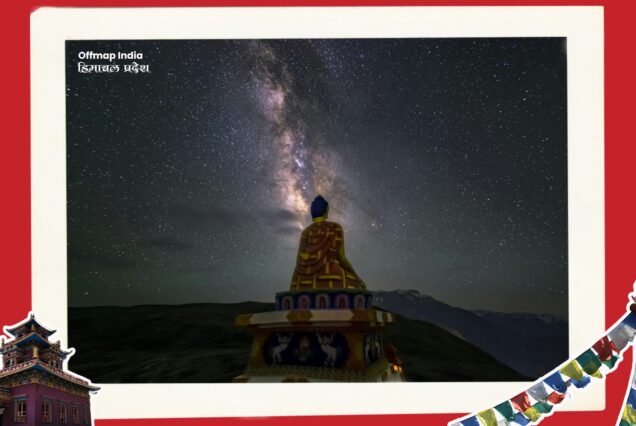
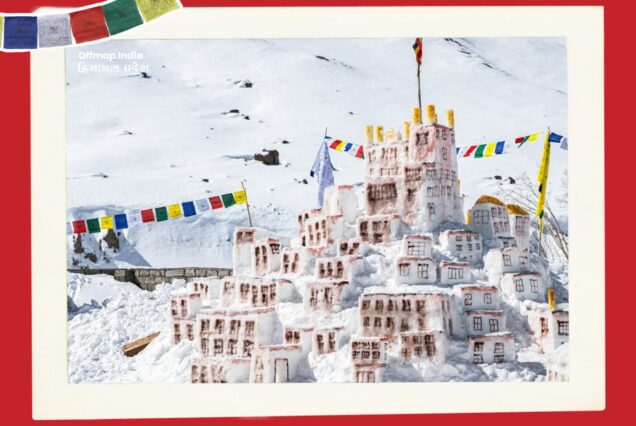
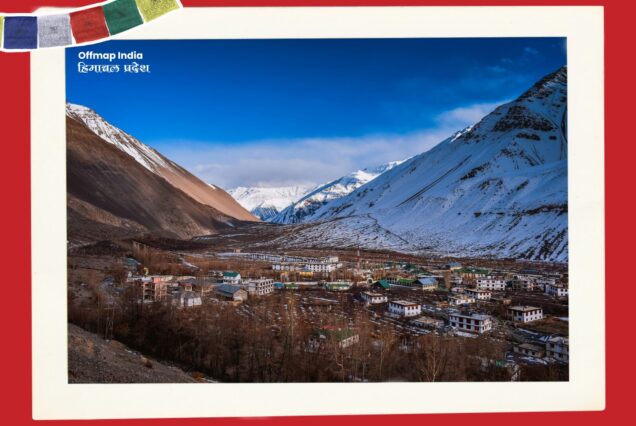
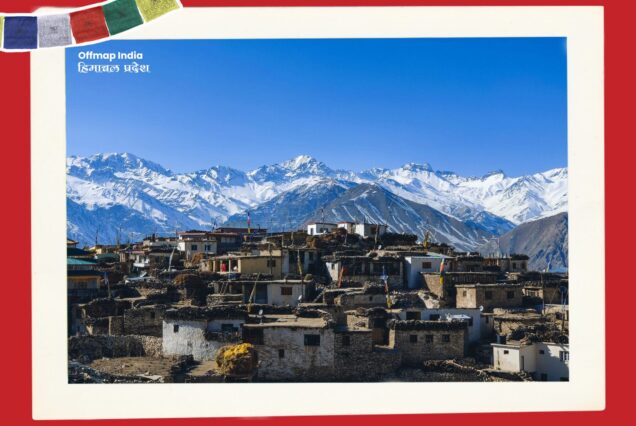
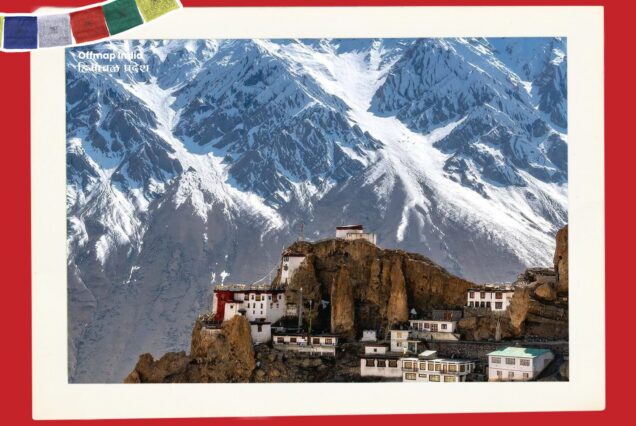
In January, Spiti becomes a white desert – frozen rivers, snow-buried villages, silent monasteries, and life that runs on firewood, sunlight, and resilience.
This Offmap Winter Spiti expedition takes you from the snow-covered villages of Kinnaur to the frozen heart of Spiti, and finally to Chitkul – one of the last inhabited winter villages near the Indo-Tibet border.
You won’t chase viewpoints here.
You’ll live inside winter Himalayan life through:
-
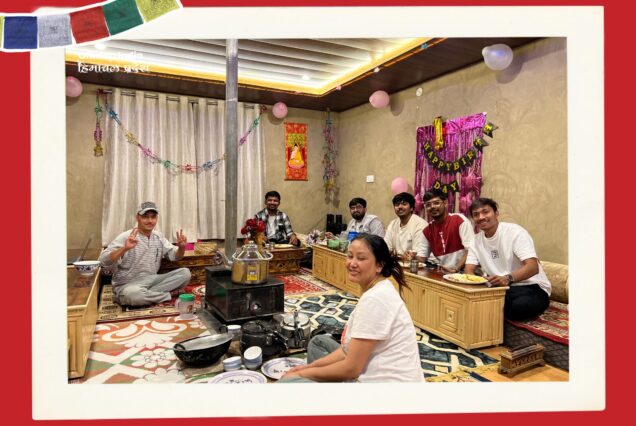
Heated traditional homestays
-
Homemade local winter food
-
Local mountain guides
-
And a pace designed for safety, altitude, and real conditions
From Kalpa’s silent snow slopes to Kaza’s cold desert stillness, from Nako’s frozen lake to Chitkul’s icy river valley, every day feels like a different world.
No cafés.
No crowds.
No rushed sightseeing.Only snow, fire, mountains, and survival rhythm.
This is Winter Spiti – the Offmap way.
Included/Excluded
- Volvo transfers from Delhi to Shimla & back
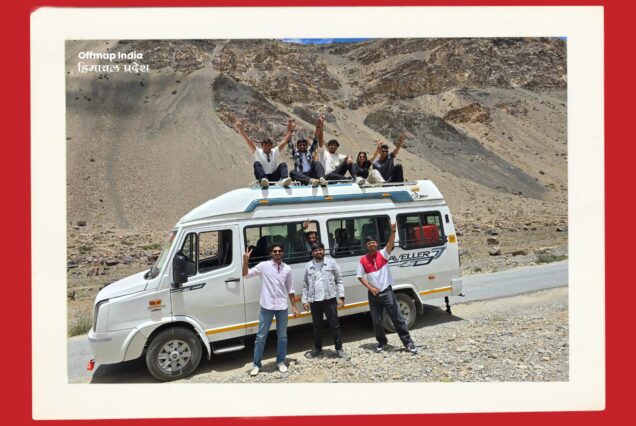
- Entire road expedition from Shimla in Tempo Traveler
- 6 nights of curated mountain stays (1N Sangla • 1N Nako/Tabo • 1N Kalpa • 3N Kaza)
- 12 homemade winter meals (Daily breakfast & dinner – authentic local food)
- Dedicated Offmap Trip Leader throughout the journey
- 24x7 Oxygen support for altitude safety
- All tolls, parking & driver charges
- Community vibe, storytelling nights, and freedom to explore
- Extra meals/snacks outside the mentioned inclusions
- Travel insurance
- Unpredicted costs due to weather, road closures, landslides, or political conditions
- Anything not clearly mentioned above
Tour Plan
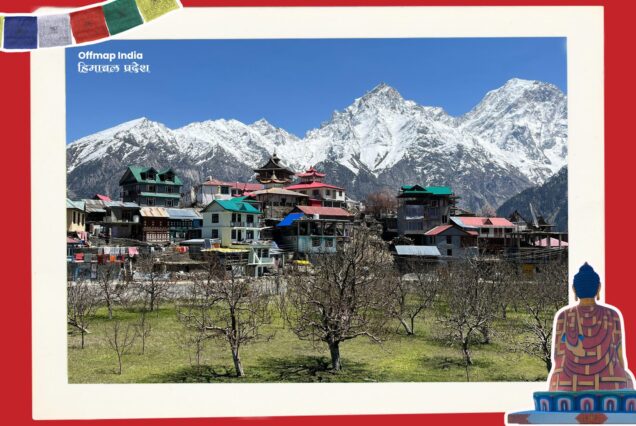
You leave Delhi in the evening as city lights slowly fade into highway silence. Overnight, the landscape changes - plains give way to mountains, and the first signs of snow begin to appear by morning. By the time you reach Kalpa, winter has fully taken over. Snow-covered rooftops, icy air, and the towering presence of Kinner Kailash welcome you into the cold Himalayas. The night is spent inside a warm traditional homestay, with hot local food and the first real taste of mountain winter.
Stay: Kalpa
This is the day the world truly changes. Leaving the snow-heavy villages of Kinnaur behind, you slowly climb into the Spiti cold desert. Trees disappear, mountains turn brown and metallic, and everything becomes quieter, wider, and more extreme. By evening, you arrive in Kaza, the frozen heart of Spiti. The temperature drops sharply, and your body begins to feel what real winter at 12,000+ ft means. The night is for rest, warmth, and proper acclimatization.
Stay: Kaza
Today is about feeling Spiti, not chasing it. You move through:
Snow-covered monasteries, frozen village lanes, iced water channels, and sun-warmed mud homes that trap heat inside. You witness how locals survive six months of snow with firewood, stored food, and slow living. Every meal is heavy, hot, and local, made for warmth and energy. This day changes how you look at comfort.
Stay: Kaza
Another full day in Kaza lets your body sync with altitude and cold. You experience Spiti at its most raw - no tourist noise, no café culture, only deep winter stillness. This day is about walking slow, sitting longer, feeling the silence, and understanding how life breathes in extreme cold. Evenings here feel heavier, quieter, and deeply peaceful.
Stay: Kaza
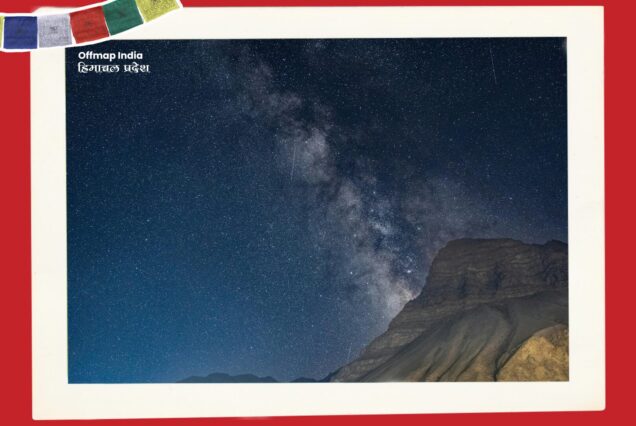
You leave Kaza and move toward Nako, one of the quietest winter villages in the Himalayas. The famous Nako Lake lies completely frozen, reflecting white skies and brown mountains. Smoke rises from chimney tops, and homes remain sealed against cold winds. This is winter isolation at its purest - a night wrapped in silence, stars, and freezing temperatures outside, with warmth only inside your room.
Stay: Nako
Today you slowly descend from the Spiti cold desert toward Chitkul, one of the last inhabited villages near the Indo-Tibet border. In January, Chitkul is not green - it is a frozen river valley, with snow-loaded wooden houses and the Baspa River flowing silently beneath ice. This night blends icy air outside with warm wooden interiors and stories by the heater.
Stay: Chitkul
The return journey brings you back from deep winter isolation to civilization. You retrace the roads carved into snow and rock, slowly leaving behind frozen rivers, brown-white mountains, and firewood-heated homes. By night, Delhi returns - louder, brighter, and very different from the silence you’re carrying back.





Reviews
There are no reviews yet.